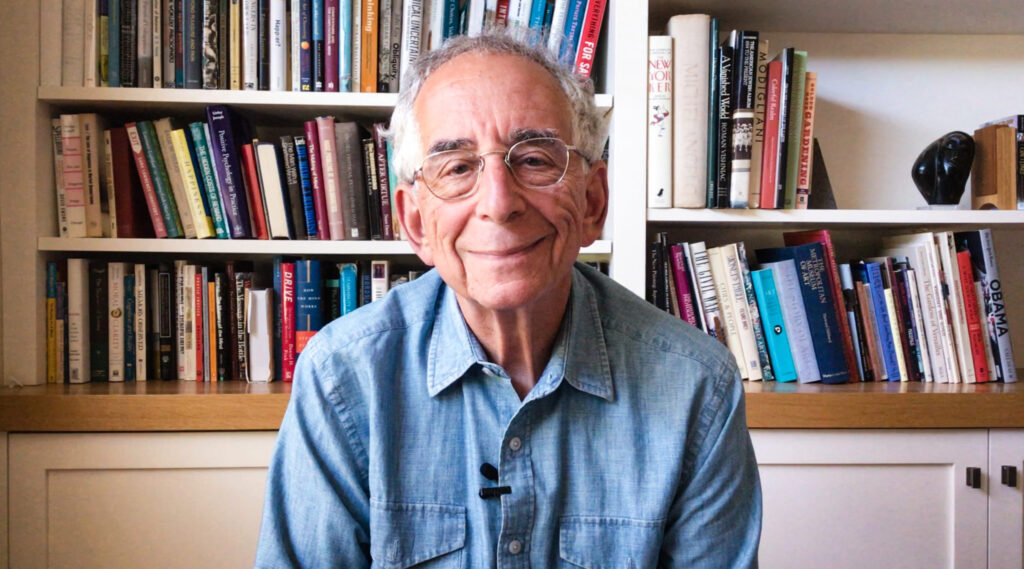
Barry Schwartz
We live in an era of absolute abundance. We have every possible option at our fingertips, yet we feel like the most indecisive and dissatisfied generation in history.
Do you remember when life had fewer options? When watching a movie meant choosing between two or three television channels, rather than spending a whole hour scrolling through platforms only to give up exhausted in the end? Back then, we didn’t suffer from the anxiety of the “better alternative”; we simply chose something and enjoyed it. We knew how to be content with what was right in front of us.
Here lies the trap of our modern psychology: We grew up with the dogma that more choices equal more freedom, and more freedom means more happiness. But human behavior tells a different story: when faced with an infinity of options, we become paralyzed. And even when we finally make a decision, we are destined to feel disappointed because our minds remain fixated on all the alternatives we left behind.
This isn’t just happening with the things we buy; it’s happening with life itself. We are applying this “catalog culture” to our careers, to our decisions, and, most sadly, to people. We are afraid to commit deeply to a relationship or a journey, paralyzed by the thought that perhaps, just one click away, hides something or someone “perfect.” By constantly seeking perfection, we are stripping ourselves of the ability to love and appreciate what is “good enough.”
I deeply value the freedom to be the architects of our own destiny. It is a great privilege to have the power to choose. But sometimes, I think that in this ocean of possibilities, we are drowning in perpetual regret. We are forgetting that true happiness does not come from keeping all doors open, but from having the courage to walk through one of them and close it behind us.
How about you—have you ever found yourself paralyzed in the face of an excess of choices, wishing things were just a little simpler?