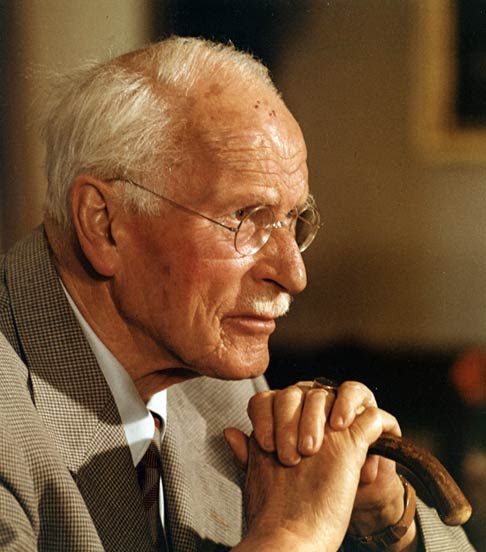
Carl Jung
f you grew up waiting for something beautiful to happen by chance, you are now living in a world where randomness is dying.
Do you remember when the walk home was an adventure? When you could get lost, and in that wandering, you found a new place, an unfamiliar face, or a thought you had never encountered before? Back then, we didn’t have a digital map for every step, nor a star rating for every coffee we drank. We allowed life to surprise us because we weren’t afraid of the unknown.
This is what this new world is doing to our psychology:
We have become slaves to predictability. Today, algorithms decide what music we will hear, which people we will meet, and what ideas we will read. We are living in “echo chambers” where everything is served based on our old tastes. But social psychology teaches us that a human being grows only when they encounter that which is different from them. By eliminating the unexpected, we have eliminated the magic of discovery.
We are trading our curious souls for the false security of a screen. Human behavior is becoming simplified, almost mechanical: we seek only what we know we will like. But real life does not happen in the stillness of the familiar; it happens in that fragile moment when something unexpected breaks our routine and forces us to see the world with new eyes.
I admire the efficiency of this era; it is extraordinary to have everything under control with a single click. But sometimes, I think it is a pity that we are losing the ability to be marveled by the unforeseen. We are creating a world so perfect that within it, there is no longer room for the human spirit, which feeds on mystery.
How about you—when was the last time you set aside the plan and allowed the day to take you somewhere you hadn’t predicted?
Carl Jung