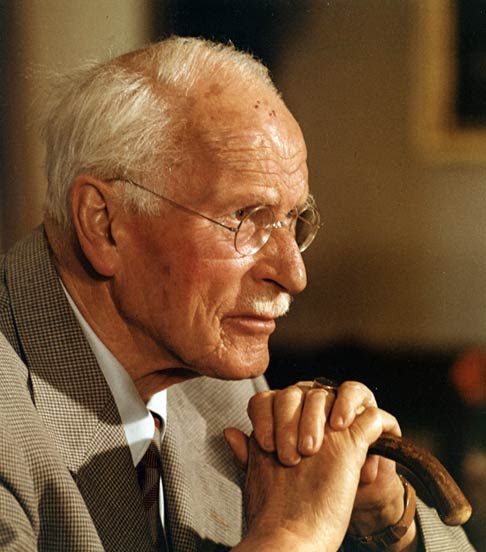
Gabor Maté
Modern society has set a ruthless trap for parents. We live in a system where the cost of living, from fuel to basic goods, rises daily, while free time shrinks aggressively.
To combat the inevitable impact of technology, society has convinced us to resort to hyper-engagement. Protecting a 12-year-old from the magnetic pull of social media or finding stimulating alternatives to keep a 6-year-old away from tablets requires an entire infrastructure. The standard solution involves after-school classes, sports, and endless activities. But this “salvation” comes at a steep economic price.
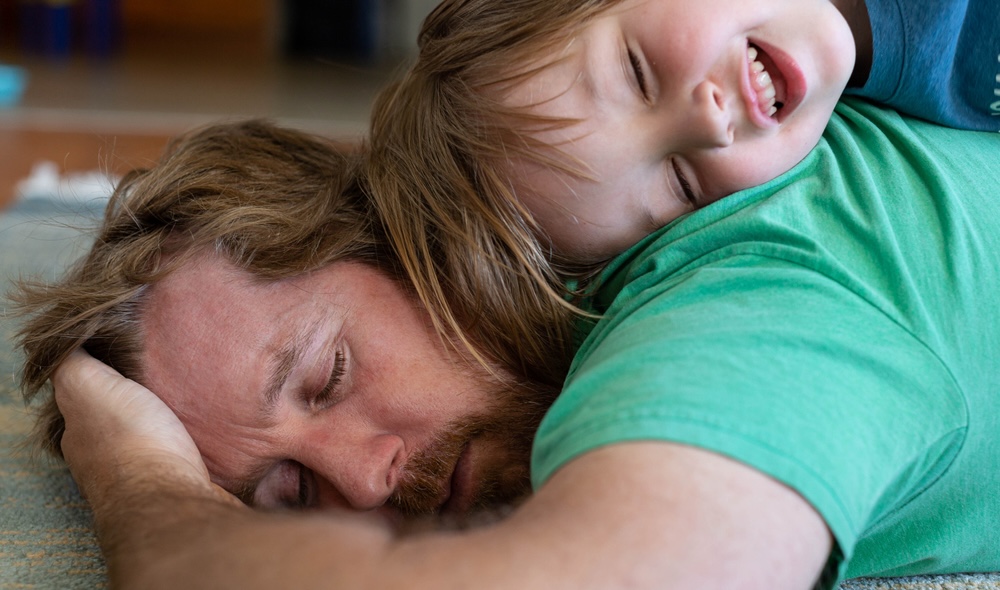
To afford these additional costs and the bills that inflate every month, parents are forced to work longer hours, often taking on second jobs. And here is where the great fracture occurs: in the desperate attempt to give children a life rich in opportunities and to save them from the dangers of screens, we are depriving them of their most vital biological and psychological need—calm, balanced, and present parents.
Chronic financial and logistical stress does not stay at the front door; it sits with us at the dinner table. When the body and mind are exhausted from the daily struggle to “provide everything,” our emotional functions shut down. The psychology of stress shows that an overloaded brain loses the capacity for empathy and patience.
The first and greatest casualty of this scheme is the couple’s relationship. When you return crushed after such a day, the mental space to be an attentive spouse to your wife simply does not exist. There is no energy left for conversations that do not revolve around chores or bills. You cease to be two partners who emotionally nourish each other and are reduced to two exhausted administrators jointly managing an entity called the “family.”
We grew up with the belief that good parenting means sacrificing yourself to give your child the world. But the scientific truth is bitter: children are harmed just as much when they grow up in an environment where parental tension is palpable and their marriage is surviving by a thread. The solution, as difficult as it may seem, is not always to work more to keep them busy with activities, but to find ways to slow down the pace, so that we have the energy to look each other in the eye within our own home.